The psychology behind gambling understanding the allure of risk
The Thrill of Uncertainty
The allure of gambling largely stems from the thrill of uncertainty. When individuals participate in games of chance, they experience a unique blend of excitement and anticipation. This psychological response is tied to the brain’s reward system, which releases dopamine when faced with potential rewards. The anticipation of winning activates feelings of happiness and excitement, making players feel alive as they navigate the unknown. Many enthusiasts explore resources, such as https://www.hoakaleifoundation.org/, to enhance their understanding of the gaming experience.

This craving for uncertainty drives many to the gambling table. The unpredictability of the outcome ignites a sense of adventure, compelling players to take risks they might not typically consider in their everyday lives. This excitement, while enticing, can lead to a rollercoaster of emotions, from high hopes to devastating lows, depending on the outcomes of their bets.
The Illusion of Control
Another fascinating aspect of gambling psychology is the illusion of control. Many players believe they can influence the outcome of games, particularly in skill-based activities like poker or blackjack. This perception can lead to a false sense of confidence, encouraging individuals to gamble more than they might otherwise consider acceptable.
This illusion can be particularly dangerous, as it often leads individuals to chase losses, believing they can recover their money through skillful play. The mind’s tendency to overestimate personal influence over random events significantly impacts gambling behaviors and can contribute to the development of problematic gambling habits.
Social Influences on Gambling
Social dynamics play a crucial role in the allure of gambling as well. The atmosphere of casinos and betting establishments often creates a sense of community among players. This shared experience can enhance the excitement of gambling, making it more appealing. The social interactions, both positive and negative, can amplify emotions and create a feedback loop that reinforces the desire to gamble.
Furthermore, cultural attitudes towards gambling can shape individual experiences and behaviors. In some societies, gambling is seen as a fun pastime, while in others, it may carry a stigma. Understanding these social influences can help beginners recognize their motivations and the potential impact of their environment on their gambling habits.
The Role of Marketing and Advertising
Marketing strategies used by casinos and online gambling platforms heavily influence people’s attraction to gambling. Through enticing promotions, glamorous advertisements, and celebrity endorsements, these businesses create a fantasy around gambling that is hard to resist. They often portray gambling as a glamorous lifestyle filled with excitement and luxury, which can draw in new players.
These marketing tactics can distort perceptions of reality, making gambling seem more accessible and less risky than it truly is. By appealing to emotions and desires, marketers tap into the psychological aspects of gambling, potentially leading individuals to make impulsive decisions that they might later regret.
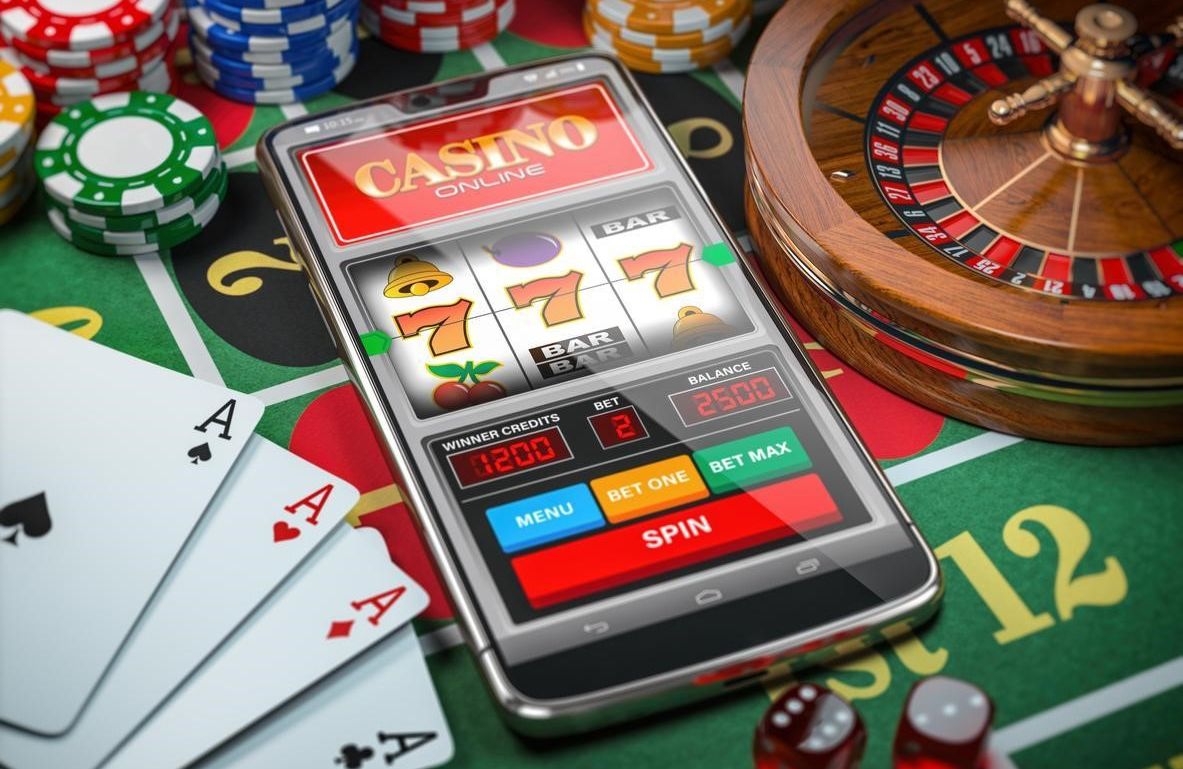
Exploring Online Gambling Options
For those interested in venturing into the world of gambling, understanding the psychological aspects can help in making informed decisions. Online gambling has gained immense popularity, offering a variety of games and experiences from the comfort of home. Understanding the allure of risk can provide insight into one’s motivations and help in setting personal boundaries.
Choosing a reputable online casino can enhance the experience and ensure a safer gaming environment. Many platforms prioritize player safety, offering tools to help manage gambling habits. By being aware of the psychological factors at play, new players can navigate their gambling journey with greater awareness and responsibility.
Leave a Reply