The cultural tapestry of gambling exploring its societal impact
The Historical Context of Gambling
The practice of gambling dates back thousands of years, woven into the fabric of human culture across various civilizations. Ancient artifacts suggest that games of chance were prevalent in societies such as the Chinese, Romans, and Greeks. These early forms of gambling often involved betting on the outcomes of events, be it sports or other competitions, illustrating a deep-rooted human inclination towards risk and uncertainty. Today, platforms like Casoola payment methods are part of this evolving landscape.
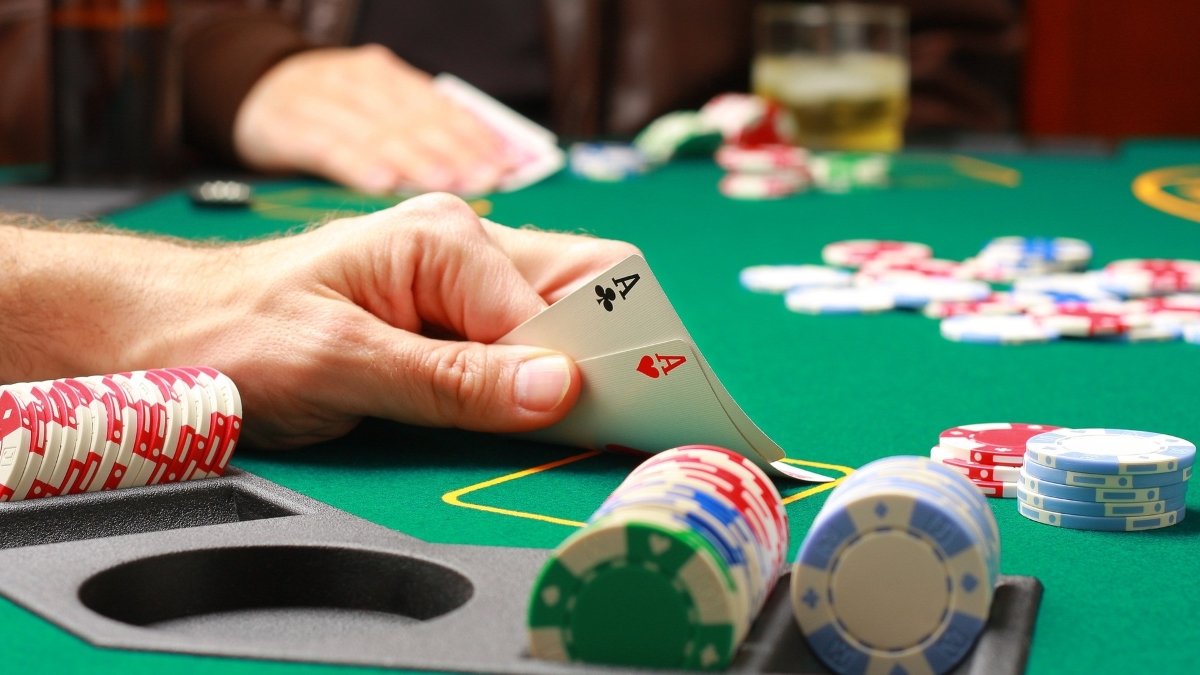
As societies evolved, so did the complexity of gambling. In medieval Europe, gambling became a popular pastime among the nobility, leading to the establishment of formal gaming houses. This historical transition reflects not only a shift in social norms but also a growing acceptance of gambling as a legitimate entertainment form, highlighting its influence on societal structures.
Gambling in Modern Society
Today, gambling is a multifaceted industry that significantly impacts economies worldwide. With the advent of online gambling platforms and mobile applications, access to betting has expanded dramatically, allowing individuals to engage with gaming from the comfort of their homes. This accessibility has transformed the gambling landscape, attracting a broader demographic and creating a thriving digital economy.
However, this surge in participation raises critical questions about the societal implications of widespread gambling. Issues such as addiction, financial distress, and the social stigma surrounding gambling addiction have become more pronounced, prompting discussions about the need for regulation and responsible gambling practices.
The Cultural Significance of Gambling
Gambling is not merely a financial activity; it is steeped in cultural significance across various communities. Different cultures approach gambling with distinct beliefs, traditions, and rituals. For instance, in some Indigenous cultures, games of chance are tied to spiritual practices and communal gatherings, emphasizing the importance of shared experiences and storytelling.
Conversely, in modern Western culture, gambling is often viewed through a lens of entertainment, with significant emphasis placed on the thrill and excitement of potential winnings. This duality showcases the complex relationship between gambling and cultural identity, revealing how societal values shape perceptions and practices surrounding this activity.
The Psychological Impact of Gambling
The psychological dimensions of gambling are multifaceted, encompassing both positive and negative effects. Many individuals engage in gambling for the thrill it provides, often viewing it as a form of escapism from daily life. The adrenaline rush associated with betting can lead to social bonding and a sense of community among players, enhancing the overall experience.
However, the darker side of this psychological engagement cannot be overlooked. Gambling can lead to addictive behaviors, affecting mental health and interpersonal relationships. Understanding the psychological impact of gambling is crucial for promoting awareness and fostering healthier attitudes toward gaming activities in society.

Exploring Online Gambling: A New Era
With the rise of online casinos and sports betting platforms, the gambling landscape is undergoing a significant transformation. Websites like Casoola offer a vast selection of gaming options, making it easier for players to access various games, from slots to live dealer experiences. This shift has made gambling more accessible while also raising concerns about responsible gaming practices and the potential for addiction.
The evolution of online gambling not only reflects changing consumer habits but also highlights the importance of regulations to ensure player safety. As the industry continues to grow, platforms that prioritize secure gaming environments and provide support for responsible gambling are essential in addressing societal impacts and fostering a positive gaming culture.
Leave a Reply